
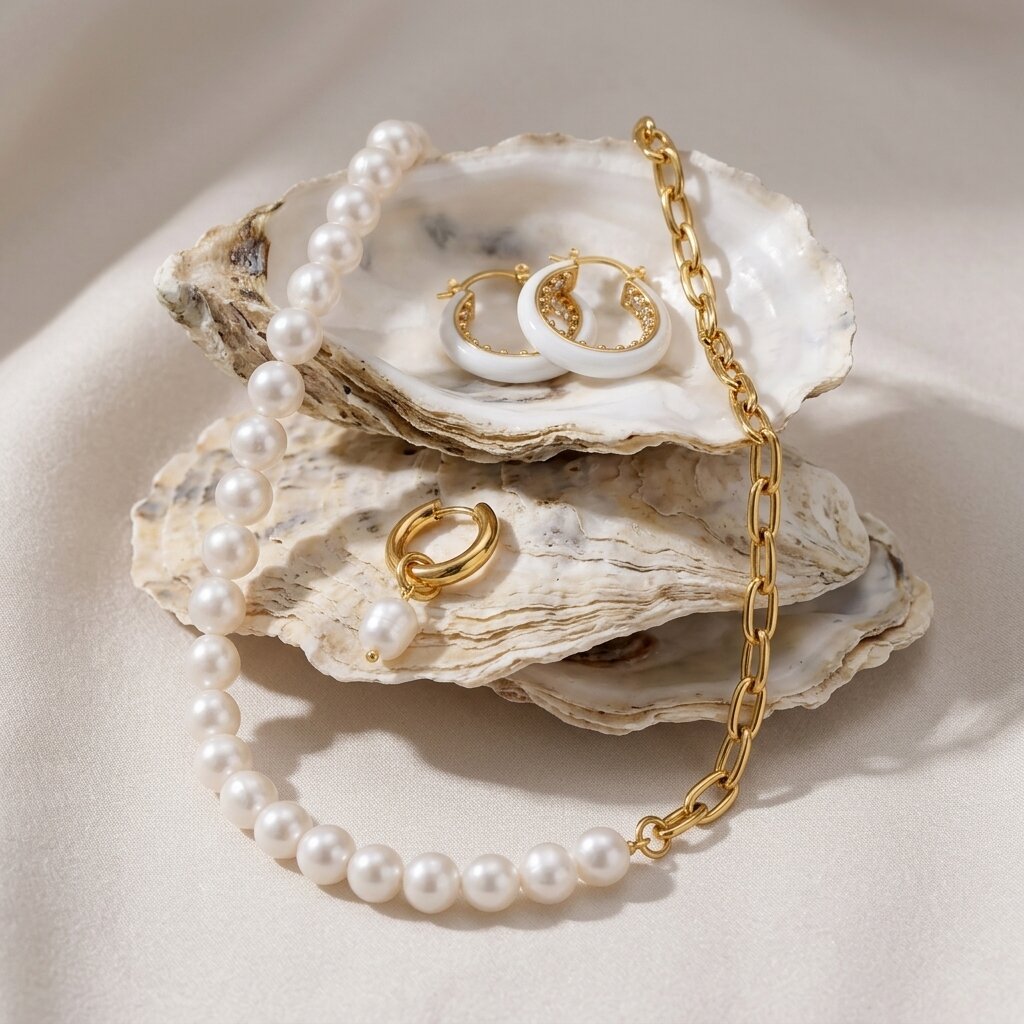
How Long Does Waterproof Jewelry Last?
High-quality waterproof jewelry can maintain its appearance for years, but there is no universal lifespan. How long it lasts depends on the base material, coating, construction, frequency of wear and the environments the jewelry encounters.
That distinction matters because "waterproof" shouldn't be treated as a magic word that makes every piece of jewelry identical. A piece designed around regular exposure to water and sweat is very different from conventional fashion jewelry that needs to be removed before showering, exercising or swimming.
Good waterproof jewelry should be designed around those everyday conditions. However, the materials underneath the waterproof claim still matter, particularly if you're looking for jewelry you intend to wear every day.
So, how long can waterproof jewelry actually last?
Well-made waterproof jewelry can last for years with regular wear. There isn't an honest industry-wide number such as two, five or ten years because products sold as waterproof jewelry can use very different materials and manufacturing methods.
A stainless-steel piece with a durable PVD finish, for example, is fundamentally different from delicate fashion jewelry with a thin decorative surface. Both pieces might initially look similar, but their ability to cope with water, sweat and everyday use can be very different.
The type of jewelry also matters. A necklace normally experiences less physical contact than a ring worn on your hand every day. Rings and bracelets are more likely to come into contact with desks, gym equipment, bags and other hard surfaces, so abrasion can become just as important as water exposure.
That's why lifespan should be judged by looking at the base metal, coating, construction and expected conditions of wear, rather than relying on the word "waterproof" alone.
What makes waterproof jewelry last longer?
The durability of waterproof jewelry starts underneath the surface. The base metal provides the foundation of the piece, while the finish determines much of its visible appearance.
Base material
Corrosion-resistant metals such as stainless steel are widely used for jewelry designed around everyday water exposure. Stainless steel combines strength with good resistance to corrosion, making it a practical foundation for pieces intended to be worn frequently.
This is particularly important with waterproof jewelry because moisture exposure isn't occasional. The whole point is that the jewelry should fit into everyday life without constantly needing to be removed around water or sweat.
Surface coating
For gold-tone waterproof jewelry, the coating is another major part of the equation.
MOREA uses PVD finishes across relevant stainless-steel waterproof pieces. PVD is used where a durable surface coating is desirable and provides a different approach from conventional delicate fashion-jewelry plating.
However, the coating should never be considered in isolation. The durability of the finished piece still depends on the quality of the base material, application of the finish, construction and conditions in which the jewelry is worn.
For more information about these materials, read MOREA's guide to the best waterproof jewelry.
Overall construction
Not every piece consists only of metal and a coating. Jewelry can also include stones, pearls, enamel, adhesives, clasps and decorative components.
Those elements may have their own care requirements, which is why it's important to consider the construction of the complete piece rather than making assumptions based solely on its metal.
Does waterproof jewelry fade or tarnish?
High-quality waterproof jewelry is designed to provide much better resistance to moisture-related changes than conventional delicate fashion jewelry. Materials such as stainless steel are particularly useful because of their corrosion resistance.
That doesn't mean every surface is physically incapable of changing forever.
There is an important difference between water resistance and resistance to physical wear. A waterproof ring can tolerate water while still being scratched if it repeatedly comes into contact with hard or abrasive surfaces.
Chemical exposure also matters. Fresh water, sweat, chlorinated pool water, seawater, perfume, cosmetics and household cleaning products aren't identical environments.
This is why a responsible waterproof-jewelry claim should tell you what the jewelry is designed to withstand rather than suggesting that the piece is indestructible.
If regular exposure to water and sweat is important to you, choose jewelry specifically designed around those conditions. You can explore MOREA's waterproof gold jewelry.
Can you shower with waterproof jewelry?
Jewelry specifically designed for regular water exposure should be able to fit naturally into activities such as showering. For many people, that's one of the main reasons for choosing waterproof jewelry in the first place.
However, the water itself isn't the only thing your jewelry encounters in the shower. Shampoo, conditioner, soap and skincare products can gradually leave residue on the surface.
That doesn't necessarily mean the jewelry has changed color or deteriorated. Sometimes a duller appearance is simply product build-up. Occasional gentle cleaning can help remove that residue and keep the surface looking its best.
Can you swim with waterproof jewelry?
Swimming is a more demanding environment than showering because the jewelry encounters more than fresh water. Swimming pools contain chlorine, while seawater introduces salt and minerals.
Waterproof jewelry is designed around water exposure, but it still makes sense to rinse pieces with fresh water after significant exposure to a pool or the sea. This helps remove salt, chlorine and other residue left on the surface.
The same principle applies on holiday, where jewelry may encounter seawater, swimming pools, sunscreen, sweat and heat in the same day.
If you're choosing pieces specifically for holidays, swimming and everyday water exposure, browse the MOREA Waterproof Jewelry Collection.
What about sweat, exercise and everyday wear?
Sweat can be challenging for jewelry that isn't designed for repeated moisture exposure. This is why conventional fashion jewelry often comes with instructions to remove it before exercising.
Waterproof jewelry is intended to make everyday wear easier. If you regularly exercise, commute, travel or live in a warm climate, choosing materials designed around exposure to water and sweat can be much more practical than constantly taking jewelry on and off.
Physical wear still matters, though. A necklace worn during a workout generally experiences different stresses from a ring gripping weights or a bracelet rubbing against equipment.
Again, waterproof doesn't mean scratch-proof.
How can you make waterproof jewelry last longer?
One of the advantages of good waterproof jewelry is that care shouldn't need to become a complicated ritual. A few sensible habits can help preserve its appearance.
After significant exposure to seawater or a chlorinated pool, rinse the jewelry with fresh water to remove residue. If sunscreen, makeup, skincare, shampoo or soap builds up on the surface, clean it gently rather than allowing layers of product to accumulate.
It's also sensible to avoid unnecessary exposure to aggressive household chemicals. Waterproof means the jewelry has been designed around water exposure; it doesn't mean every material is immune to every chemical.
Finally, think about abrasion. When you're not wearing your jewelry, storing pieces so they don't constantly rub against each other can help reduce scratching. During wear, remember that rings and bracelets naturally experience more contact with hard surfaces than earrings and necklaces.
These simple habits aren't about treating waterproof jewelry as fragile. They're about reducing unnecessary wear so that a durable piece has the best opportunity to maintain its appearance.
Does expensive jewelry always last longer?
Not necessarily. Price alone doesn't tell you what a piece is made from or how its finish has been applied.
An expensive fashion piece can still use a delicate decorative finish that requires careful treatment. Meanwhile, appropriately constructed stainless-steel jewelry can provide excellent everyday durability at a much more accessible price.
When comparing pieces, look beyond the price tag. Check the base material, coating, construction, care information and warranty.
Transparent material information is particularly useful because it gives you something concrete to evaluate rather than relying purely on marketing language.
Does MOREA guarantee its jewelry color?
MOREA currently offers a Lifetime Color Warranty on eligible pieces and positions its waterproof jewelry around maintaining its color through water, sweat and everyday wear.
That matters when evaluating durability claims. A brand saying that its jewelry is waterproof is one thing; being prepared to stand behind the color of eligible pieces with a warranty gives customers something more concrete to consider.
As with any warranty, it's worth reading the applicable terms so you understand exactly what is covered.
Which MOREA waterproof jewelry can you wear every day?
MOREA offers waterproof pieces across its main jewelry categories, making it possible to choose pieces according to how you prefer to wear your jewelry.
You can explore:
Or browse the complete MOREA Waterproof Jewelry Collection.
Frequently asked questions about waterproof jewelry
Can waterproof jewelry last for years?
Yes. Well-constructed waterproof jewelry can maintain its appearance for years, but there is no single lifespan that applies to every piece. Materials, coating, construction, frequency of wear and physical abrasion all influence longevity.
Does waterproof jewelry lose its color?
Quality waterproof jewelry is designed to resist color changes associated with normal exposure to water and sweat. However, the durability of any decorative surface also depends on abrasion, chemical exposure and the quality of the finish.
Does waterproof jewelry tarnish?
Jewelry made from corrosion-resistant materials such as stainless steel is designed to offer strong resistance to moisture-related corrosion. The complete piece and its surface finish should still be considered when evaluating durability.
Can you wear waterproof jewelry every day?
Jewelry specifically designed around regular exposure to water and sweat is intended to be practical for everyday wear. The amount of physical wear will vary depending on the piece: rings and bracelets typically encounter more abrasion than necklaces and earrings.
Is PVD jewelry suitable for everyday wear?
PVD finishes are used where a durable surface coating is desirable, making them well suited to jewelry designed for frequent wear. Overall durability still depends on the underlying material, construction and conditions of use.
Should you remove waterproof jewelry before swimming?
Waterproof jewelry is designed around water exposure, but pools and seawater introduce chlorine and salt. Rinsing jewelry with fresh water after significant swimming is a simple way to remove that residue.
Final answer: how long does waterproof jewelry last?
There isn't one universal lifespan for waterproof jewelry. A well-made piece can maintain its appearance for years, but its longevity ultimately depends on the materials, coating, construction and how it's worn.
Rather than searching for a magic number, look for a corrosion-resistant base material, a durable surface finish, clear information about how the jewelry is constructed and a brand prepared to stand behind its claims.
Durable materials, an appropriate coating, transparent product information and meaningful warranty protection are much better indicators of longevity than the word "waterproof" by itself.

Leave a comment
This site is protected by hCaptcha and the hCaptcha Privacy Policy and Terms of Service apply.