
What Does a Turtle Symbolize? The Complete Guide
Few animals have earned humanity's admiration quite like the turtle. Long before written history, people looked to the natural world for guidance, finding meaning in the creatures that shared their world. Birds came to symbolize freedom, wolves represented loyalty and courage, while the turtle became something altogether different. Its slow, deliberate movements, remarkable longevity and quiet resilience inspired generations of storytellers, philosophers and spiritual leaders to see it as a symbol of wisdom, protection and life's enduring journey.
Shop Best Turtle Necklace-A Beaufiful Gift for Turtle Lovers
What makes the turtle especially fascinating is that these ideas developed independently across the globe. Ancient civilizations separated by vast oceans, speaking different languages and practicing entirely different religions all reached remarkably similar conclusions. From the islands of Polynesia to the forests of North America, from imperial China to ancient India, the turtle was rarely viewed as an ordinary animal. Instead, it became a powerful reminder that life's greatest strengths are often the quietest ones.
Today, that symbolism feels more relevant than ever. We live in a world that rewards speed, celebrates constant productivity and encourages us to chase immediate results. The turtle offers a different perspective. It reminds us that patience is not weakness, resilience is built over time and true success comes from moving forward with purpose instead of rushing toward the finish line.
So, what does a turtle symbolize?
At its heart, the turtle symbolizes wisdom, longevity, resilience, protection, patience, stability, inner peace and the ability to navigate life's challenges with quiet confidence. It teaches us that meaningful progress is rarely measured by speed. Instead, it is built through consistency, thoughtful decisions and the courage to keep moving forward, even when the journey feels long.
This is one of the reasons turtles continue to inspire artists, travelers, conservationists and jewelry designers around the world. Many people choose to wear turtle-inspired jewelry not simply because they admire the animal, but because they connect with the values it represents. Pieces such as the Gold Turtle Necklace allow those timeless qualities to become part of everyday life, serving as a personal reminder of resilience, wisdom and the deep connection we share with the ocean.
In this guide, we'll explore every aspect of turtle symbolism, from its ancient origins and spiritual meaning to its place in mythology, religion, psychology and modern culture. We'll also discover why sea turtles have become powerful ambassadors for ocean conservation and why turtle-inspired jewelry continues to hold such personal meaning for people across the world.
Why Have Turtles Become Such Powerful Symbols?
Not every animal becomes a universal symbol. Many creatures carry different meanings depending on where you are in the world, shaped by local traditions, folklore or religious beliefs. The turtle is unusual because, despite the diversity of human cultures, the values associated with it remain remarkably consistent. Wherever turtles appear in history, they are almost always connected with endurance, wisdom, protection and a profound respect for the natural rhythm of life.
Part of this symbolism comes from the turtle's extraordinary place in the natural world. Scientists believe turtles first appeared more than 220 million years ago, making them one of the oldest surviving groups of reptiles on Earth. Their ancestors walked alongside dinosaurs, survived one of the greatest mass extinctions in history and adapted to dramatic environmental changes that eliminated countless other species. Few living animals tell such an extraordinary story of survival.
Ancient civilizations may not have understood evolution, but they recognized something remarkable when they saw it. Animals that appeared unchanged across generations naturally became associated with permanence, endurance and timeless wisdom. The turtle, seemingly untouched by the passing centuries, came to represent stability in an ever-changing world.
Its behavior also played an important role in shaping its symbolic meaning. Unlike predators that rely on speed or aggression, the turtle survives through patience, awareness and careful judgment. Every movement appears deliberate. Every decision seems measured. Rather than rushing into danger, it pauses, observes its surroundings and moves forward only when the moment is right. To ancient observers, this calm approach reflected intelligence rather than hesitation, creating an enduring connection between turtles and wisdom.
Perhaps the turtle's most recognizable feature strengthened this symbolism even further. Its shell offered protection without violence, allowing the turtle to carry safety wherever it traveled. Unlike animals that defended themselves through claws, horns or sharp teeth, the turtle demonstrated another kind of strength, one rooted in preparation, resilience and self-preservation. Over time, the shell became a metaphor for emotional security, healthy boundaries and the comforting idea that home is something we carry with us wherever life takes us.
Sea turtles added another layer of meaning. Their lives are among the most extraordinary in nature. After hatching on sandy beaches, they disappear into the open ocean, traveling thousands of miles across vast stretches of water before returning, sometimes decades later, to the very coastline where their journey began. Guided by Earth's magnetic field, they complete migrations that continue to amaze scientists today.
Long before anyone understood how these incredible journeys were possible, people believed turtles possessed a unique connection with nature itself. Their ability to navigate immense oceans inspired stories about intuition, destiny and the invisible forces that guide us through life. They became symbols of trust, reminding us that even when we cannot see the path ahead, we often possess the inner wisdom needed to find our way.
What Does a Turtle Symbolize?
Although every culture tells its own stories, the symbolic meaning of the turtle remains remarkably consistent throughout history. Rather than representing power through dominance or speed, the turtle symbolizes the quieter virtues that shape a meaningful life. It reminds us that strength can be gentle, wisdom grows through experience and lasting success is built through persistence rather than urgency.
These ideas have endured because they reflect qualities that remain deeply human. Whether someone encounters a turtle while exploring the ocean, dreams about one during a period of change or simply feels drawn to turtle-inspired jewelry, its symbolism speaks to universal experiences that transcend culture, religion and geography.
Wisdom
More than any other quality, the turtle has become a symbol of wisdom. Throughout history, wisdom has rarely been associated with haste. Instead, it has been linked with observation, patience and thoughtful action, qualities that turtles embody naturally.
Watching a turtle move through its environment creates an immediate impression of calm confidence. It never appears rushed or distracted. Every movement has purpose, conserving energy while responding carefully to the world around it. Ancient societies interpreted this deliberate pace as evidence of intelligence, believing the turtle understood something about life that faster creatures often overlooked.
That symbolism remains surprisingly relevant today. Modern life encourages us to move faster, make quicker decisions and accomplish more in less time. Yet some of life's most important choices cannot be rushed. Relationships, careers, personal growth and emotional well-being all benefit from reflection rather than impulse. The turtle reminds us that wisdom is not measured by how quickly we act, but by how thoughtfully we choose our direction.
Longevity
Few animals inspire thoughts of longevity quite like the turtle. Certain species live for many decades, while giant tortoises have been known to survive for well over a century. Their remarkable lifespan has made them enduring symbols of long life, healthy aging and the accumulation of knowledge across generations.
Many cultures viewed longevity as something greater than simply growing old. A long life represented the opportunity to gain perspective, learn from experience and pass that wisdom to future generations. The turtle came to symbolize a life lived with purpose, where patience and consistency eventually create something meaningful and lasting.
This connection with longevity is one reason turtle-inspired gifts remain so popular today. Whether celebrating a birthday, anniversary, graduation or a new chapter in life, the turtle represents hopes for a future filled with health, happiness and enduring strength.
Protection
Protection is perhaps the turtle's most recognizable symbolic quality. Its shell is unlike anything else in the animal kingdom, offering security without relying on speed or aggression. It allows the turtle to explore the world while always carrying a place of safety wherever it goes.
This simple image has inspired generations of people to see the turtle as a symbol of emotional resilience and inner strength. Rather than encouraging isolation, the shell reminds us that healthy boundaries allow us to move confidently through the world while protecting the values, relationships and peace of mind that matter most.
For many people, this symbolism is one of the reasons turtle jewelry feels so meaningful. Wearing a piece such as the Gold Turtle Necklace becomes more than a style choice. It serves as a quiet reminder to protect your peace, remain grounded during life's challenges and carry your own sense of strength wherever your journey leads.
Resilience
Every turtle's life tells a story of perseverance. For sea turtles especially, survival begins with extraordinary challenges. Hatchlings emerge from their nests and immediately face predators, crashing waves and an uncertain future. Those that survive may travel across entire oceans before returning to the beaches where they first entered the world.
These remarkable journeys have made turtles enduring symbols of resilience. They remind us that setbacks are not signs of failure but natural parts of every worthwhile journey. Progress is rarely immediate. Instead, it is built through patience, adaptability and the determination to continue moving forward despite uncertainty.
Perhaps that is why so many people feel an emotional connection to turtles. Their story reflects our own. Every life includes obstacles, unexpected detours and moments that test our resolve. The turtle reminds us that success is not reserved for the fastest or the strongest. More often, it belongs to those who refuse to stop moving forward
Patience
If there is one quality that defines the turtle more than any other, it is patience. Every movement the turtle makes appears calm and deliberate, never hurried, never wasteful. It doesn't race toward its destination or compete with the pace of the world around it. Instead, it moves with quiet determination, trusting that every step, no matter how small, brings it closer to where it needs to be.
This symbolism has inspired countless stories throughout history, most famously the fable of The Tortoise and the Hare. While the story is often shared with children, its lesson is surprisingly profound. Success is rarely determined by talent or speed alone. More often, it belongs to those who remain focused, consistent and committed over time. The tortoise wins not because it is faster, but because it never gives up.
For many people, this message feels especially relevant today. Modern life encourages constant comparison, making it easy to believe we should achieve more, travel further or reach our goals more quickly than everyone else. The turtle offers a refreshing alternative. It reminds us that every journey unfolds at its own pace and that meaningful achievements are often built slowly, through persistence rather than urgency.
Patience is not about standing still. It is about continuing to move forward, even when progress feels invisible. Like the turtle, we don't need to rush to reach our destination. We simply need to keep going.
Stability
The turtle has also become a symbol of stability, representing the strong foundations upon which lasting success is built. Its broad shell, steady posture and measured movements create an image of balance that has inspired cultures for thousands of years.
Many ancient creation stories describe the world itself resting on the back of a giant turtle. While these myths differ from one culture to another, they all share a common idea. The turtle represents reliability, permanence and the strength to support something greater than itself.
In our own lives, stability is often overlooked in favor of excitement or rapid change. Yet lasting happiness rarely comes from chasing every new opportunity. Instead, it grows from strong relationships, clear values and a sense of purpose that remains constant through life's changing seasons.
The turtle reminds us that true strength begins with a solid foundation. Just as a tree depends on healthy roots before it can reach the sky, we need stability before we can confidently embrace growth and change.
Inner Peace
Watching a sea turtle glide effortlessly through crystal-clear water creates an immediate sense of calm. There is nothing hurried about its movements. Every stroke is smooth, controlled and perfectly suited to its environment. It appears completely at ease, moving through the ocean with quiet confidence.
This natural grace has made turtles enduring symbols of inner peace and emotional balance. They remind us that calmness is not the absence of challenges but the ability to face them without losing ourselves in fear or anxiety.
In many spiritual traditions, turtles represent mindfulness and presence. They encourage us to slow down, appreciate the present moment and resist the temptation to constantly worry about what comes next. Their peaceful nature reminds us that life becomes richer when we stop rushing through it.
This lesson has become increasingly meaningful in the modern world. Surrounded by endless notifications, busy schedules and constant distractions, many people are searching for ways to reconnect with a slower, more intentional way of living. The turtle offers a timeless reminder that peace begins within ourselves.

Guidance
Sea turtles complete one of the most extraordinary migrations in the natural world. After spending years crossing vast oceans, many species return to the exact beach where they first hatched, guided by an instinct that scientists continue to study with fascination.
Long before this remarkable navigation could be explained, people believed turtles possessed an almost mystical ability to find their way. Their journeys became symbols of intuition, destiny and trusting the path ahead, even when it disappears beyond the horizon.
This symbolism speaks to anyone standing at a crossroads in life. Whether beginning a new career, starting a family, moving to a different country or simply searching for a greater sense of purpose, the turtle reminds us that we often know more than we think we do. Like the sea turtle crossing thousands of miles of open ocean, we all possess an inner compass that can guide us when we choose to trust it.
For this reason, many people see turtles as symbols of guidance during periods of uncertainty. They encourage us to move forward with confidence, believing that every experience, whether joyful or difficult, contributes to the person we are becoming.
Hope
The life of a sea turtle begins with extraordinary odds. Hatchlings emerge from the sand under the cover of darkness and instinctively race toward the ocean, facing countless dangers before they ever reach the water. Only a small percentage survive to adulthood, yet those that do may live for decades, crossing entire oceans and eventually returning home to begin the cycle once again.
This remarkable story has transformed the turtle into a symbol of hope. It reminds us that difficult beginnings do not determine our future and that resilience often grows from adversity. Every turtle that reaches adulthood represents a triumph over challenges that once seemed impossible to overcome.
Hope has always been one of the most powerful human emotions. It gives us the courage to continue during uncertain times and the confidence to believe that better days lie ahead. The turtle embodies this quiet optimism, demonstrating that persistence and faith in the journey can lead to extraordinary outcomes.
New Beginnings
Although turtles are often associated with age and wisdom, they also symbolize new beginnings. Every year, thousands of sea turtle hatchlings emerge from their nests and begin a journey unlike any other in nature. Their first moments are filled with uncertainty, yet they move forward without hesitation, guided by instinct and the promise of the open ocean.
This annual cycle has made turtles powerful symbols of fresh starts, transformation and personal growth. Whether beginning a new relationship, changing careers, moving to a new home or embracing a different stage of life, the turtle reminds us that every meaningful journey begins with a single step.
Unlike symbols that celebrate dramatic change, the turtle represents gradual transformation. Growth does not happen overnight. It unfolds naturally through experience, patience and a willingness to keep moving forward.
For many people, this is one of the turtle's most comforting lessons. You do not have to have every answer before beginning something new. Like the hatchling making its way toward the sea, you simply need the courage to take the first step.
Why Turtle Symbolism Continues to Resonate Today
The enduring popularity of turtle symbolism is not simply the result of ancient myths or cultural traditions. It reflects something much deeper about the way people continue to search for meaning in an increasingly fast-paced world.
Modern society often celebrates speed above all else. Success is measured by how quickly we achieve our goals, how much we accomplish in a day and how rapidly we move from one milestone to the next. While ambition has its place, this constant pursuit of more can leave little room for reflection, balance or genuine fulfillment.
The turtle offers an alternative philosophy, one that has remained remarkably consistent for thousands of years. It suggests that a meaningful life is built patiently, through thoughtful decisions, steady progress and an appreciation for the journey itself. It reminds us that resilience is more valuable than perfection, that wisdom grows through experience and that lasting success rarely happens overnight.
Perhaps this is why turtle-inspired jewelry has become more than a fashion statement. For many people, it serves as a personal reminder of the values they want to carry with them every day. Wearing the Gold Turtle Necklace becomes a quiet expression of patience, resilience and the courage to trust your own path, while ocean-inspired pieces such as the Sea Charm Bracelet celebrate a lasting connection with the sea and the extraordinary creatures that call it home.
Rather than chasing trends, turtle symbolism endures because its message never loses relevance. Every generation faces uncertainty, every life includes challenges and every meaningful goal requires perseverance. The turtle reminds us that these experiences are not obstacles to the journey, they are the journey itself.
As we explore the spiritual significance of turtles in the next chapter, we'll discover that these symbolic qualities extend far beyond history and folklore. Across religions, belief systems and personal spiritual practices, turtles have come to represent protection, guidance, healing and a profound connection between humanity and the natural world.
The Spiritual Meaning of Turtles
Beyond their place in mythology and folklore, turtles have long been regarded as deeply spiritual animals. Across continents and belief systems, they are seen as symbols of divine guidance, protection, healing and the quiet wisdom that comes from living in harmony with nature. While religious traditions may interpret their meaning differently, they all share a common belief that the turtle represents far more than a physical creature. It is a reminder of the spiritual journey every person undertakes throughout life.
Unlike animals that symbolize power through force or dominance, the turtle teaches a gentler lesson. It encourages trust over fear, patience over haste and balance over excess. Its slow movements invite us to become more present, while its remarkable endurance reminds us that spiritual growth is rarely achieved overnight. Like the turtle itself, it develops gradually through experience, reflection and perseverance.
Many people who feel drawn to turtles describe an immediate sense of calm whenever they encounter one. Whether watching a sea turtle glide effortlessly through clear water or spotting a turtle resting peacefully along a shoreline, the experience often feels surprisingly grounding. This emotional response has contributed to the turtle's reputation as a spiritual guide that encourages stillness, mindfulness and a deeper appreciation of the present moment.
The Turtle as a Symbol of Spiritual Protection
One of the turtle's oldest spiritual meanings is protection. Its shell has inspired countless interpretations, representing not only physical safety but also emotional and spiritual security.
Many traditions view the shell as a sacred space, a place where the soul can retreat during times of uncertainty without becoming disconnected from the world. Rather than encouraging isolation, it symbolizes the importance of protecting one's inner peace while remaining open to life's experiences.
This lesson continues to resonate today. Modern life often demands constant attention, leaving little opportunity for rest or reflection. The turtle reminds us that creating healthy boundaries is an act of strength rather than weakness. Protecting our time, energy and emotional well-being allows us to move through life with greater confidence and resilience.
For many people, this symbolism is one of the reasons turtle jewelry feels so personal. Wearing the Gold Turtle Necklace can serve as a quiet reminder to carry a sense of protection and inner stability wherever life leads.
Wisdom That Comes From Experience
Spiritual traditions often distinguish between knowledge and wisdom. Knowledge can be learned from books, teachers or observation, but wisdom develops through lived experience. The turtle has become one of the world's most enduring symbols of this deeper understanding.
Its long lifespan reflects the gradual accumulation of insight over time. Rather than seeking immediate answers, the turtle teaches us to observe, reflect and allow life itself to become our greatest teacher.
This symbolism reminds us that every challenge contributes to personal growth. Difficult experiences, unexpected setbacks and moments of uncertainty all become valuable lessons that shape who we eventually become.
The turtle therefore represents a lifelong student of the world, encouraging us to remain curious while recognizing that true wisdom cannot be rushed.

A Connection Between Earth and Water
Few animals exist as comfortably in two different environments as turtles. Depending on the species, they may spend their lives on land, in freshwater rivers or in the open ocean, moving naturally between different worlds.
Spiritually, this ability has inspired powerful symbolism. Land often represents stability, structure and practical living, while water symbolizes emotion, intuition and the subconscious mind. The turtle's ability to navigate both environments makes it a symbol of balance between logic and emotion.
This idea appears repeatedly across spiritual traditions. Rather than choosing between reason and intuition, the turtle teaches that both are essential. Lasting wisdom comes from balancing thoughtful decisions with emotional awareness.
For many people, this symbolism encourages greater self-awareness. It reminds us that our emotional lives deserve just as much attention as our practical responsibilities.
Patience as a Spiritual Practice
Modern spirituality often emphasizes mindfulness, meditation and living in the present moment. Although these concepts are described in many different ways around the world, they all share one essential principle, slowing down enough to experience life fully.
The turtle naturally embodies this philosophy.
Its measured pace encourages intentional living rather than constant urgency. Every movement appears purposeful, reflecting complete awareness of its surroundings rather than distraction or impatience.
Spiritually, the turtle teaches that growth unfolds according to its own timetable. We cannot force healing, rush personal transformation or demand instant clarity about life's biggest questions. Some lessons simply require time.
This perspective can be deeply reassuring during periods of uncertainty. Rather than feeling pressure to solve every problem immediately, the turtle reminds us that consistent progress often matters far more than rapid progress.
The Turtle and Inner Peace
Many spiritual practices focus on cultivating inner peace regardless of external circumstances. The turtle has become one of nature's most recognizable symbols of this idea.
Whether floating effortlessly through tropical waters or resting quietly beneath the sun, turtles rarely appear anxious or hurried. Their calm presence has inspired generations of people to associate them with emotional balance and contentment.
This symbolism encourages us to look inward rather than constantly seeking fulfillment through external achievements. While success, wealth and recognition can enrich our lives, lasting peace ultimately comes from developing a stable relationship with ourselves.
The turtle reminds us that true happiness is not found by moving faster than everyone else. Instead, it grows through gratitude, patience and learning to appreciate the present moment.
Spiritual Guidance During Life's Transitions
Life is filled with transitions. Graduating from school, beginning a career, becoming a parent, recovering from loss or entering retirement all mark significant changes that shape our identity.
Many spiritual traditions view turtles as guides during these periods of transformation.
Their remarkable migrations symbolize trust in life's unfolding journey. Sea turtles travel thousands of miles across the world's oceans without visible roads or landmarks, relying instead on instincts developed over millions of years.
Spiritually, this has become a powerful metaphor for human life.
We rarely know exactly where the future will lead. Important decisions often involve uncertainty, and the path ahead is seldom completely clear. The turtle reminds us that we do not need to see every step before beginning the journey. Sometimes trusting ourselves is enough.
Is Seeing a Turtle a Spiritual Sign?
Many people wonder whether encountering a turtle carries a deeper spiritual meaning. While interpretations vary depending on personal beliefs, turtles are widely regarded as positive symbols across cultures.
Seeing a turtle is often interpreted as a reminder to slow down and become more present. It may encourage patience during difficult situations or reassure someone who feels uncertain about the direction their life is taking.
Others view turtle encounters as symbols of protection, suggesting that they are being guided through a period of change or reminded to trust the natural timing of events.
Some believe turtles appear when people are working too quickly, becoming overwhelmed or losing sight of what truly matters. In these situations, the turtle serves as a gentle invitation to reconnect with balance, simplicity and inner peace.
Rather than predicting the future, turtle symbolism usually encourages reflection on the present. It asks us to pause, consider our current path and remember that meaningful progress is often quieter than we expect.
What Does It Mean if a Turtle Is Your Spirit Animal?
In many spiritual traditions, particularly those influenced by Indigenous beliefs, a spirit animal represents qualities that guide and support an individual throughout life.
People who identify with the turtle often share similar characteristics. They tend to value stability over excitement, thoughtful decisions over impulsive actions and meaningful relationships over superficial success. Others may describe them as dependable, patient and emotionally resilient.
Those with a turtle spirit animal are often natural caregivers, preferring peaceful solutions instead of conflict. They understand that genuine strength comes from consistency rather than aggression and that perseverance frequently accomplishes more than force.
At the same time, the turtle reminds these individuals not to become overly cautious. While patience is valuable, it should never become an excuse for avoiding opportunities or resisting necessary change. The healthiest turtle symbolism combines careful preparation with the courage to continue moving forward when the time is right.
Ultimately, the turtle spirit animal represents a balanced life, one built on wisdom, compassion, resilience and trust in the journey ahead.
In the next chapter, we'll explore how turtles have been viewed across different civilizations and religions, from Hawaiian and Polynesian traditions to Native American beliefs, ancient China, Japan, India, Greece and many other cultures that transformed the turtle into one of history's most enduring symbols.
Turtle Symbolism Around the World
One of the most remarkable aspects of turtle symbolism is how consistently it appears across human history. Civilizations separated by thousands of miles, with different languages, religions and traditions, often developed strikingly similar beliefs about turtles without ever influencing one another. Again and again, the turtle emerged as a symbol of wisdom, protection, longevity, creation and harmony with nature.
While each culture tells its own stories, together they reveal why turtles have become one of humanity's most universally respected animals.
Hawaiian Turtle Symbolism
In Hawaiian culture, the sea turtle, known as the Honu, is one of the islands' most treasured spiritual symbols. For centuries, Hawaiians have viewed the Honu as a guardian spirit that represents protection, wisdom, endurance and safe passage across the ocean.
The close relationship between Hawaiians and sea turtles developed naturally. Living on remote islands surrounded by the Pacific Ocean, ancient Hawaiians depended on the sea for survival. They carefully observed the rhythms of marine life and came to see the Honu as an animal that embodied balance between humanity and nature.
According to Hawaiian tradition, sea turtles often guide people safely through difficult waters, both literally and spiritually. They symbolize the importance of respecting the ocean while trusting its natural rhythms.
The Honu is also associated with family, as female sea turtles return to the very beaches where they were born to lay their own eggs. This incredible journey became a powerful reminder of ancestry, home and the enduring bond between generations.
Today, the Honu remains one of Hawaii's most recognizable cultural symbols, appearing in art, tattoos and jewelry as a representation of protection, luck and a lifelong connection to the sea.
Polynesian Turtle Symbolism
Across Polynesia, turtles hold an equally important place in cultural traditions. Although beliefs vary between islands, turtles are generally viewed as sacred creatures connected with navigation, fertility, prosperity and protection.
For Polynesian navigators, the ocean was both a highway and a source of life. Sea turtles, capable of crossing enormous distances while always finding their way home, naturally became symbols of guidance and safe travel.
Traditional Polynesian tattoos frequently feature stylized turtle designs. These patterns are far more than decorative artwork. They often represent family, endurance, unity and the protection of ancestors watching over future generations.
Many Polynesian communities also associate turtles with fertility and abundance because of their long lives and their ability to produce many offspring. As a result, turtle imagery has historically been incorporated into ceremonies celebrating family and new beginnings.
Māori Turtle Symbolism
Although turtles are less common in New Zealand than on many Pacific islands, they still hold symbolic meaning within Māori traditions.
The turtle is associated with navigation, resilience and the interconnectedness of life. Its ability to move confidently between land and sea reflects adaptability and balance, while its incredible migrations symbolize determination and purpose.
Like many Indigenous cultures, Māori beliefs emphasize living in harmony with the natural world. Animals are respected not only for their physical characteristics but also for the lessons they teach about life, community and responsibility.
The turtle therefore represents patience, guardianship and respect for future generations.
Native American Turtle Symbolism
Among many Native American nations, the turtle occupies one of the most important places in traditional beliefs. Numerous tribes tell creation stories in which the Earth itself was formed upon the back of a giant turtle.
This powerful image gave rise to the name Turtle Island, a term still used by many Indigenous peoples to refer to North America.
Although individual stories differ, they share a common message. The turtle represents the stable foundation upon which all life depends. Its broad shell symbolizes strength, endurance and the responsibility to care for the land that supports every living creature.
For many Native American communities, turtles are also associated with patience, longevity and harmony between humanity and nature. Their slow pace reflects thoughtful living rather than weakness, while their protective shell represents security and resilience.
Even today, Turtle Island remains a deeply meaningful concept that emphasizes gratitude for the Earth and respect for future generations.
Chinese Turtle Symbolism
In Chinese culture, the turtle has been revered for thousands of years as one of the Four Sacred Animals of traditional cosmology, alongside the dragon, phoenix and tiger.
The turtle symbolizes longevity, wisdom, endurance and stability. Because many turtles live exceptionally long lives, they became natural representations of health, prosperity and a long, fulfilling future.
Ancient Chinese scholars admired the turtle's calm nature and deliberate movements, believing it reflected careful thinking and disciplined decision-making. For this reason, turtle imagery often appeared in temples, imperial architecture and traditional artwork.
The turtle is also connected with the element of water and the northern direction in Chinese philosophy, representing endurance through life's changing seasons.
In Feng Shui, turtle figures are commonly placed in homes or workplaces to encourage protection, stability and lasting success. They are believed to create a sense of security while supporting personal and professional growth.
Japanese Turtle Symbolism
Japan shares many symbolic traditions with China while developing unique interpretations of its own.
One of Japan's most famous mythical creatures is the Minogame, a turtle said to live for thousands of years. According to legend, seaweed growing from its shell resembles a flowing tail, symbolizing extraordinary longevity and good fortune.
Because of these associations, turtles frequently appear in Japanese art, ceramics and celebrations marking important milestones. They are considered symbols of happiness, endurance and a life filled with prosperity.
Japanese folklore often pairs the turtle with the crane, another animal associated with longevity. Together they represent wishes for a long, healthy and harmonious life, making them popular gifts for weddings and anniversaries.
Hindu Turtle Symbolism
In Hinduism, the turtle carries profound spiritual significance through one of the most important stories in Hindu mythology.
The god Vishnu is believed to have taken the form of a giant turtle known as Kurma, his second avatar. During the legendary Churning of the Ocean of Milk, Kurma supported a sacred mountain upon his back while gods and demons worked together to retrieve divine treasures hidden beneath the ocean.
This story transformed the turtle into a symbol of strength, support and cosmic balance.
Rather than seeking recognition, Kurma quietly carries immense responsibility, reminding believers that true strength often works behind the scenes.
The turtle also symbolizes patience, self-discipline and spiritual stability, qualities essential for personal growth and enlightenment.
Buddhist Turtle Symbolism
Although turtles appear less frequently in Buddhist teachings than some other animals, they still carry important symbolic meaning.
Buddhist philosophy emphasizes mindfulness, compassion and freedom from unnecessary attachment, qualities that naturally align with the turtle's calm and measured way of life.
The turtle encourages practitioners to slow down, remain present and cultivate inner peace regardless of external circumstances.
Its shell also represents self-awareness and emotional protection, reminding individuals to look inward for lasting happiness rather than becoming consumed by temporary desires.
For many Buddhists, the turtle reflects the gradual nature of spiritual development. Enlightenment is not achieved through haste but through consistent practice and thoughtful living.
Celtic Turtle Symbolism
Unlike coastal civilizations, the ancient Celts encountered turtles less frequently. Even so, later Celtic interpretations associated turtles with endurance, protection and the wisdom of nature.
The turtle's shell became a symbol of security and the importance of maintaining balance between physical and spiritual life.
Modern Celtic-inspired spirituality often views turtles as reminders to remain grounded while embracing life's ongoing journey.
African Turtle Symbolism
Across Africa, turtle symbolism varies considerably between cultures, yet many traditional stories portray turtles as wise problem-solvers rather than physically powerful animals.
In West African folklore especially, turtles frequently appear as intelligent characters who overcome stronger opponents through patience, cleverness and careful planning.
These stories reinforce an important lesson that wisdom often proves more valuable than force.
The turtle therefore became associated with intelligence, diplomacy and thoughtful leadership, qualities admired in both community elders and respected rulers.
Ancient Egyptian Turtle Symbolism
Ancient Egyptian beliefs about turtles were more complex than many other cultures.
While turtles occasionally represented chaos because they inhabited the mysterious waters of the Nile, they were also admired for their resilience and ability to survive challenging environments.
Protective amulets sometimes featured turtle imagery, reflecting the belief that the animal possessed unique defensive qualities.
Over time, turtles came to symbolize endurance, adaptation and the ability to overcome adversity.
Ancient Greek Turtle Symbolism
The ancient Greeks associated turtles with both wisdom and domestic harmony.
The goddess Aphrodite was occasionally linked with turtles, representing faithfulness and stability within marriage. Meanwhile, philosophers admired the turtle's patient nature, seeing it as an example of moderation and self-control.
Greek thinkers believed that a balanced life required careful judgment rather than impulsive behavior, making the turtle a fitting symbol of thoughtful decision-making.
Christianity and Turtle Symbolism
Although turtles are mentioned only sparingly in Christian tradition, many Christians have embraced turtle symbolism as a representation of faith, perseverance and God's enduring protection.
Its protective shell reflects the idea of finding refuge in faith during difficult times, while its steady journey symbolizes trust in God's timing rather than immediate results.
Many Christian writers have also compared the turtle's patient nature with the importance of humility, endurance and remaining faithful throughout life's challenges.
Why Turtle Symbolism Transcends Culture
Despite the enormous diversity of human civilization, turtle symbolism remains remarkably consistent.
Whether viewed as the sacred Honu of Hawaii, the foundation of Turtle Island, Vishnu's Kurma avatar or a symbol of longevity in East Asia, the turtle repeatedly represents the same universal ideals. Wisdom, resilience, protection, patience and harmony with nature appear again and again across thousands of years of human history.
This consistency helps explain why turtles continue to inspire people today. Their symbolism isn't limited to one religion or one part of the world. Instead, it reflects values that resonate across cultures and generations.
For many people, wearing the Gold Turtle Necklace is a way of carrying these timeless meanings into everyday life. It serves as a reminder of resilience, wisdom and the quiet strength symbolized by one of nature's most remarkable creatures.
In the next chapter, we'll explore the fascinating myths and legends that transformed turtles from respected animals into legendary beings capable of carrying worlds, guiding heroes and shaping the beliefs of entire civilizations.
What Does a Turtle Symbolize as a Gift?
A turtle symbolizes one of the most meaningful gifts you can give, representing wisdom, protection, longevity, resilience and good fortune. Giving someone a turtle expresses wishes for a long, happy life, the strength to overcome challenges and the patience to achieve their dreams. Across many cultures, turtles also symbolize stability, inner peace and the confidence to trust life's journey, making them a thoughtful gift for birthdays, graduations, weddings, anniversaries and new beginnings.
Unlike gifts chosen simply for their appearance, a turtle carries a message that lasts for years to come. It reminds the person receiving it that life's greatest achievements rarely happen overnight. Like the turtle itself, meaningful success is built through perseverance, consistency and quiet determination. A turtle gift says, "Keep moving forward, trust yourself and never give up," making it one of the most personal and symbolic gifts you can give.
The turtle's remarkable lifespan has also made it a universal symbol of longevity and enduring happiness. In many cultures, giving a turtle is a way of wishing someone a healthy, prosperous future filled with wisdom and memorable experiences. Its protective shell represents safety and emotional strength, while its calm nature reminds us to slow down, appreciate the present moment and remain grounded during life's inevitable challenges.
A turtle gift is especially meaningful because its symbolism can be applied to almost any important milestone. For someone graduating from school or university, it represents resilience, confidence and the courage to embrace new opportunities. For a wedding or anniversary, it symbolizes loyalty, lasting love and the journey two people share together over a lifetime. Given for a birthday, it expresses wishes for happiness, good health and a long, fulfilling life. During difficult periods, a turtle becomes a symbol of hope, reminding someone that even slow progress is still progress and that brighter days lie ahead.
For travelers and ocean lovers, turtles carry an additional layer of meaning. Sea turtles spend their lives navigating vast oceans before returning to the beaches where they were born, making them powerful symbols of guidance, adventure and always finding your way home. They remind us to trust our instincts, embrace new experiences and remain connected to the people and places that matter most.
This rich symbolism explains why turtle-inspired jewelry has become such a popular and meaningful gift. Unlike traditional accessories that simply complement an outfit, turtle jewelry carries a story. Every time it is worn, it serves as a reminder of resilience, patience, protection and the quiet confidence to keep moving forward.
The Gold Turtle Necklace beautifully captures these timeless qualities in an elegant piece that can be worn every day. Inspired by one of nature's most enduring symbols, it makes a thoughtful gift for anyone beginning a new chapter, celebrating an important milestone or simply needing a reminder of their inner strength. Paired with the Sea Charm Bracelet, which celebrates the beauty of the ocean and our connection to marine life, the two pieces create a meaningful gift set for anyone who loves the sea and the values it represents.
Perhaps the greatest reason turtles make such memorable gifts is that their symbolism never fades. Flowers eventually wilt and many gifts are forgotten over time, but a turtle represents values that remain meaningful throughout every stage of life. Wisdom, resilience, protection, patience and hope are qualities we continue to rely on no matter where our journey takes us.
For that reason, giving a turtle is about far more than giving an object. It is a heartfelt way of wishing someone strength during challenges, joy in new beginnings and the confidence to embrace every adventure that lies ahead.
Is Gifting a Turtle Good Luck?
Yes, gifting a turtle is widely considered a symbol of good luck in many cultures around the world. Turtles have long been associated with longevity, wisdom, protection and prosperity, making them one of the most meaningful animals to give as a gift. Rather than representing luck through chance alone, a turtle symbolizes the kind of good fortune that comes from patience, resilience and steady progress throughout life.
In Chinese culture, the turtle is one of the Four Sacred Animals and is closely connected with long life, stability and protection. In many Indigenous traditions, turtles represent strength, endurance and a deep connection with the Earth, while in Japanese folklore they symbolize good fortune, happiness and a safe journey. Across different cultures, the turtle has become a universal emblem of positive energy and lasting success.
For this reason, a turtle is often given to celebrate important milestones and new beginnings. It makes a thoughtful gift for birthdays, graduations, weddings, anniversaries, housewarmings and career achievements because it expresses wishes for health, prosperity and a bright future. Many people also choose turtle gifts for someone facing a challenge, as the turtle reminds us that even slow progress leads to meaningful accomplishments.
Turtle-inspired jewelry carries the same symbolism while creating a lasting keepsake. The Gold Turtle Necklace is a meaningful way to wish someone strength, wisdom and good fortune, while the Sea Charm Bracelet celebrates resilience, adventure and a lifelong connection with the ocean. Together, they make a thoughtful gift that combines timeless symbolism with elegant design.
Although beliefs about luck vary from culture to culture, the turtle is almost universally regarded as a positive symbol. Giving someone a turtle is more than wishing them good luck—it is a heartfelt expression of hope, protection, resilience and happiness that they can carry with them throughout life's journey.
Is a Turtle Pendant Good Luck?
Yes, a turtle pendant is widely regarded as a symbol of good luck, protection and longevity. Across many cultures, wearing a turtle pendant is believed to attract positive energy, encourage resilience and remind the wearer to move through life with patience and confidence. Rather than bringing luck through chance, a turtle pendant represents the enduring qualities that often lead to success—wisdom, perseverance, stability and the ability to overcome life's challenges.
The turtle has been admired for thousands of years because of its remarkable ability to survive and thrive in changing environments. Carrying its home on its back, it has become a universal symbol of protection and security, reminding us that true strength comes from within. Its long lifespan represents health, longevity and lasting happiness, while its calm and steady nature teaches the value of patience over haste. These timeless qualities have made turtle pendants one of the most meaningful pieces of symbolic jewelry worn around the world.
Many people wear a turtle pendant as a personal reminder rather than simply as a fashion accessory. It can represent staying grounded during uncertain times, trusting your own journey and believing that consistent effort will eventually lead to success. Others wear one to celebrate a new beginning, whether starting a new career, travelling abroad, moving home or embracing a fresh chapter in life. The turtle's symbolism offers reassurance that every step forward, no matter how small, contributes to something greater.
For ocean lovers, a turtle pendant carries an even deeper significance. Sea turtles travel thousands of miles across the world's oceans before returning to the very beaches where they were born. Because of this extraordinary journey, they have become symbols of guidance, adventure, freedom and always finding your way home. Wearing a turtle pendant reflects not only a love for the ocean but also a connection to nature and the values of conservation, balance and respect for marine life.
A turtle pendant also makes a thoughtful gift because its symbolism is both personal and universal. It is suitable for birthdays, graduations, anniversaries, Mother's Day, weddings and other important milestones, expressing wishes for health, protection, wisdom and good fortune. Unlike many gifts that lose their significance over time, a turtle pendant continues to carry its message every time it is worn, becoming a lasting reminder of love, encouragement and resilience.
The Gold Turtle Necklace beautifully captures this timeless symbolism in a refined, elegant design inspired by the grace of sea turtles. Whether worn as a personal talisman or given as a meaningful gift, it serves as a daily reminder to embrace life's journey with confidence, patience and strength. Paired with the Sea Charm Bracelet, which celebrates the beauty of the ocean and the spirit of exploration, it creates a meaningful jewelry set for anyone who feels connected to the sea or appreciates jewelry with a deeper story.
Ultimately, a turtle pendant is considered good luck because it represents the qualities that help people build fulfilling lives. Rather than promising instant fortune, it symbolizes the wisdom to make good decisions, the resilience to overcome obstacles, the patience to trust the journey and the protection to move forward with confidence. These enduring meanings are why turtle pendants have remained cherished symbols for generations and continue to be worn by people seeking beauty, purpose and a little extra encouragement wherever life takes them.
Do Turtles Attract Money?
Turtles are widely regarded as symbols of wealth, prosperity and financial stability, especially in Feng Shui and many Asian traditions. While a turtle is not believed to magically attract money, it represents the qualities that support long-term financial success, including wisdom, patience, resilience and steady growth. For this reason, turtles are often seen as powerful symbols of lasting prosperity rather than instant wealth.
The connection between turtles and prosperity comes from centuries of cultural symbolism. In Feng Shui, the turtle is one of the Four Celestial Animals and is associated with protection, stability and abundance. It is believed to create a strong foundation for success by encouraging balance, careful decision-making and consistent progress. Unlike symbols associated with sudden fortune, the turtle represents wealth that grows over time through discipline, perseverance and thoughtful choices.
This symbolism reflects the turtle's own nature. Turtles move deliberately, conserve their energy and survive for remarkably long lives, making them enduring symbols of patience and endurance. These qualities are often linked with financial wellbeing because lasting prosperity is typically built through planning, persistence and wise decisions rather than taking unnecessary risks. As a result, the turtle has become an emblem of sustainable success in both personal and professional life.
Because of these positive associations, turtle-themed gifts are popular for business owners, entrepreneurs, graduates and anyone beginning a new career or financial chapter. Giving a turtle expresses wishes for prosperity, stability and the wisdom to make sound decisions. It is also a meaningful gift for housewarmings, promotions, retirement celebrations and new ventures, where it symbolizes growth, security and a prosperous future.
Many people choose to carry this symbolism through jewelry. Wearing the Gold Turtle Necklace serves as a daily reminder to stay focused on long-term goals, embrace patience and build success one step at a time. The Sea Charm Bracelet reflects resilience, balance and a deep connection with the ocean, making it a thoughtful companion piece for anyone inspired by the turtle's enduring symbolism.
Although no symbol can guarantee financial success, the turtle has remained one of the world's most respected emblems of prosperity because it represents the habits that often lead to abundance. Across cultures, it reminds us that wealth is built through wisdom, resilience, consistency and careful planning. That timeless message is why turtles continue to symbolize prosperity, good fortune and lasting success for people around the world.

Turtle Mythology and Legends
Long before science explained how turtles navigated the oceans or revealed that some species had survived for more than 220 million years, people created stories to explain the remarkable animals they encountered. Across every continent where turtles lived, they became woven into myths that explored the origins of the world, the relationship between humanity and nature, and the qualities needed to live a meaningful life.
These legends are more than entertaining stories. They reveal how deeply turtles influenced the imagination of ancient civilizations and why their symbolic meaning has endured for thousands of years.
Although each culture developed its own mythology, several themes appear repeatedly. Turtles are rarely portrayed as warriors or conquerors. Instead, they are creators, protectors, guides and wise companions whose quiet strength ultimately proves more powerful than force.
The World Turtle
Perhaps the most famous turtle legend is the story of the World Turtle, sometimes called the Cosmic Turtle.
Versions of this myth appear in several cultures, including Hindu, Chinese and many Indigenous traditions throughout North America. While the details vary, the central idea remains remarkably similar. A giant turtle supports the world upon its back, providing the stable foundation upon which all life exists.
The symbolism is easy to understand. The turtle's broad shell represents permanence, reliability and the balance that allows life to flourish. Unlike myths built around conflict or conquest, the World Turtle reminds us that creation depends on patience, endurance and steady support.
For many people, this story transforms the turtle into far more than an animal. It becomes a living symbol of responsibility, suggesting that every generation has a role in protecting the world for those who come after it.
The Creation of Turtle Island
Among many Native American nations, one of the best-known creation stories tells how North America came into existence.
According to the legend, the world was once covered entirely by water. After Sky Woman fell from the heavens, various animals attempted to dive beneath the waves to retrieve soil from the ocean floor. One after another they failed, until a small muskrat finally returned with a tiny handful of earth.
The soil was placed upon the back of a great turtle, where it slowly grew into the land that became known as Turtle Island.
Although different nations tell the story in different ways, the message remains the same. Great things often begin with small acts of courage and cooperation. The turtle does not create the world through force or ambition. Instead, it patiently supports the growth of life itself.
This story continues to hold deep cultural and spiritual significance for many Indigenous communities today.
Kurma and the Churning of the Ocean
One of the most important turtle legends comes from Hindu mythology.
According to ancient scriptures, the gods and demons agreed to churn the cosmic ocean in search of amrita, the nectar of immortality. To accomplish this impossible task, they used a sacred mountain as a giant churning rod.
However, the mountain immediately began to sink beneath the waves.
To save the effort, the god Vishnu transformed into Kurma, a gigantic turtle who positioned himself beneath the mountain and supported its enormous weight upon his shell. With the mountain secure, the churning continued, eventually revealing priceless treasures and the nectar of immortality itself.
The story emphasizes one of the turtle's defining symbolic qualities.
The greatest strength is often unseen.
Kurma does not seek glory or recognition. Instead, he quietly provides the support that allows everyone else to succeed. The legend reminds us that leadership is not always visible and that lasting achievements often depend upon those willing to carry responsibility without expecting praise.
The Dragon Turtle of China
Chinese mythology combines the wisdom of the turtle with the power of the dragon to create one of its most revered mythical creatures, the Dragon Turtle.
Usually depicted with the shell of a turtle and the head of a dragon, it symbolizes prosperity, authority, protection and long life.
Unlike many mythical monsters, the Dragon Turtle is considered a benevolent guardian. Statues are commonly placed outside homes, temples and businesses to attract good fortune while protecting against negative influences.
Its symbolism combines the turtle's patience and stability with the dragon's strength and ambition, suggesting that true success comes from balancing wisdom with determination.
Even today, Dragon Turtle figures remain popular throughout East Asia as symbols of prosperity and enduring success.
The Legend of Urashima Tarō
Japanese folklore tells the story of a humble fisherman named Urashima Tarō who rescued a turtle from a group of children.
As a reward for his kindness, the turtle carried him beneath the sea to the magnificent Dragon Palace, where he was welcomed by a beautiful princess. After what felt like only a few days, Urashima decided to return home.
When he reached the surface, he discovered that centuries had passed.
Everyone he had known was gone, and the world had completely changed.
The legend explores themes of gratitude, time, compassion and the mystery of life's passing. The turtle acts as a guide between two worlds, reminding listeners that kindness often leads to extraordinary experiences, even if those experiences ultimately change us forever.
Today, the story remains one of Japan's most beloved folktales.
The Turtle and the Moon
Several cultures tell stories connecting turtles with the moon and the changing rhythms of nature.
Some Native American traditions compare the thirteen large sections on a turtle's shell to the thirteen full moons that occur during the lunar year. Smaller markings around the shell are sometimes said to represent the approximately twenty-eight days of each lunar cycle.
Whether interpreted literally or symbolically, these stories highlight humanity's long-standing fascination with the relationship between turtles and the natural order of the universe.
The turtle became a living calendar, reminding people that life unfolds through repeating cycles rather than straight lines.
Birth follows growth.
Growth leads to maturity.
Maturity eventually gives way to renewal.
This understanding encouraged patience and acceptance, reinforcing the turtle's reputation as a guide through every stage of life.
African Folktales of Wisdom
Throughout West Africa, turtles frequently appear as clever heroes rather than powerful warriors.
In many traditional stories, larger animals rely on strength, speed or intimidation, only to be outsmarted by the patient and thoughtful turtle.
These tales teach valuable lessons about humility and intelligence.
The strongest individual is not always the one who wins. Instead, success belongs to those who think carefully, remain calm under pressure and solve problems creatively.
Although the characters vary from story to story, the turtle almost always represents wisdom overcoming brute force.
These folktales continue to be shared today because their lessons remain timeless.
Why Turtle Myths Continue to Inspire
Although these legends emerged in different parts of the world over thousands of years, they all point toward the same remarkable conclusion.
The turtle represents a kind of strength that humanity has always admired. It is not loud. It is not aggressive. It does not seek attention.
Instead, it survives through resilience, wisdom, patience and quiet confidence.
These qualities explain why turtle mythology continues to resonate today. While modern society often celebrates speed and competition, ancient turtle legends remind us that lasting success is usually built more slowly.
This enduring symbolism also explains why turtles remain such meaningful subjects in art, literature and jewelry. Many people choose the Gold Turtle Necklace because it represents values that extend far beyond appearance. It serves as a reminder of resilience, protection and the wisdom to trust life's journey, even when the destination is still unknown.
The stories may differ, but their message remains remarkably consistent. True strength is measured not by how quickly we move or how loudly we speak, but by our ability to remain steady, compassionate and resilient throughout every stage of life.
In the next chapter, we'll explore turtle spirit animals, turtle dreams and what it means when a turtle appears repeatedly in your life.
Turtle Spirit Animal, Totem and Dream Meaning
For thousands of years, people have believed that certain animals carry messages that help us better understand ourselves and the world around us. Whether they are described as spirit animals, totems or symbolic guides, these creatures are thought to reflect our personality, reveal lessons we need to learn or appear during important moments in our lives. Among them, the turtle has become one of the most respected and universally admired symbols. Unlike animals associated with speed, power or dominance, the turtle represents quiet confidence, emotional resilience and the wisdom to trust life's natural pace. Its symbolism reminds us that success is rarely about racing ahead of others. Instead, it is built through patience, consistency and the courage to keep moving forward even when progress feels slow.
Many people feel an immediate connection with turtles without fully understanding why. Some repeatedly encounter them while traveling, others dream about them during periods of change, while many simply feel drawn to turtle-inspired artwork or jewelry. Across countless spiritual traditions, these experiences are often viewed as meaningful rather than coincidental. The turtle is believed to appear when we need encouragement to slow down, remain grounded and trust the direction our lives are taking.
What Is a Turtle Spirit Animal?
A turtle spirit animal represents the qualities of wisdom, patience, protection and perseverance. People who identify with the turtle often approach life with a calm and thoughtful mindset. Rather than making impulsive decisions or constantly chasing excitement, they prefer to think carefully before acting. They value stability, meaningful relationships and long-term success, understanding that the strongest foundations are built gradually over time.
Individuals connected to the turtle spirit animal are often seen as dependable and trustworthy. Friends and family know they can be relied upon because they rarely act out of emotion or panic. They are natural listeners, capable of offering balanced advice during difficult situations, and they tend to remain calm even when those around them feel overwhelmed. Their quiet confidence comes not from seeking attention but from knowing who they are and staying true to their values.
At the same time, the turtle spirit animal teaches that patience should never become hesitation. While careful planning is valuable, there are moments when life requires us to step beyond our comfort zone. The turtle reminds us that confidence grows not by avoiding challenges but by moving toward them one deliberate step at a time.
Personality Traits Associated with the Turtle Spirit Animal
People who identify with turtle symbolism often share a collection of qualities that have been admired across cultures for thousands of years. Patience is perhaps the most obvious. They understand that meaningful achievements require time and are willing to invest steady effort into building something lasting instead of searching for quick rewards. Whether pursuing a career, strengthening relationships or working toward personal goals, they recognize that consistency usually produces better results than rushing.
Resilience is another defining characteristic. Like sea turtles that travel thousands of miles across unpredictable oceans, people influenced by turtle symbolism have an impressive ability to recover from setbacks. They may experience disappointment or hardship like anyone else, but they rarely allow temporary obstacles to determine their future. Instead, they adapt, learn and continue moving forward with quiet determination.
The turtle is also closely associated with emotional stability. Those who connect with its symbolism often have a calming influence on the people around them. They think before they speak, avoid unnecessary conflict and approach difficult situations with remarkable composure. Rather than reacting impulsively, they prefer to reflect before making decisions, allowing wisdom rather than emotion to guide their actions.
Loyalty is another quality frequently linked with the turtle spirit animal. Sea turtles famously return to the beaches where they were born, sometimes decades after leaving them. This incredible instinct has made them symbols of commitment, family and enduring relationships. People who identify with turtle energy often value deep connections over large social circles, choosing lasting friendships and meaningful partnerships instead of superficial interactions.
The Life Lessons Taught by the Turtle
The turtle is more than a symbol of personality. It also represents a way of approaching life.
Its first lesson is to trust your own pace. Modern life encourages constant comparison, making it easy to feel as though everyone else is moving ahead more quickly. Careers, relationships and personal achievements are often measured against unrealistic expectations, creating unnecessary pressure to reach milestones before we are ready. The turtle challenges this way of thinking. It reminds us that every journey unfolds differently and that lasting success rarely happens overnight.
Another important lesson is the value of protecting your inner peace. The turtle carries its shell wherever it goes, symbolizing the importance of healthy boundaries. While the shell provides physical protection in nature, its spiritual meaning is much deeper. It encourages us to protect our emotional well-being, our values and our energy, allowing us to face life's challenges without losing ourselves in the process.
The turtle also teaches balance. It moves comfortably between land and water, two environments that have long represented logic and emotion. Spiritually, this suggests that we should not rely entirely on one or the other. The best decisions are made when practical thinking is balanced with intuition, compassion and self-awareness.
Above all, the turtle teaches perseverance. Every worthwhile goal requires patience, whether we are building a career, strengthening a relationship or simply becoming the person we hope to be. Progress is rarely dramatic. More often, it is the result of small, consistent actions repeated over weeks, months and years.
What Does It Mean if You Keep Seeing Turtles?
Many people notice turtles appearing repeatedly during significant periods of their lives. These encounters may happen while walking along a beach, traveling overseas, visiting an aquarium or even through books, artwork and jewelry. Although there is no scientific evidence that such experiences predict future events, spiritual traditions around the world often interpret repeated turtle encounters as meaningful reminders.
One common interpretation is that life is encouraging you to slow down. If you have been overwhelmed by responsibilities, rushing from one commitment to another or feeling pressured to keep up with everyone else, the turtle serves as a gentle reminder that there is strength in moving at a sustainable pace. It encourages you to focus on steady progress instead of constant urgency.
Others believe repeated turtle encounters symbolize resilience. If you are facing uncertainty, recovering from disappointment or working toward a long-term goal, the turtle reminds you that meaningful progress is still taking place even if the results are not immediately visible. Like the turtle crossing vast oceans one stroke at a time, every small step contributes to the larger journey.
Some people also interpret turtles as symbols of protection. During periods of change, they can serve as reassuring reminders that you already possess the strength and wisdom needed to navigate whatever lies ahead. Rather than fearing the unknown, the turtle encourages you to trust your instincts and continue moving forward with confidence.
What Does It Mean to Dream About Turtles?
Dreams about turtles are generally considered positive and are often associated with personal growth, emotional healing and wisdom. Because turtles symbolize patience and resilience, they frequently appear during times when we are reflecting on important life decisions or adapting to change.
A sea turtle swimming peacefully through clear water often represents emotional balance and trust in your own intuition. Just as sea turtles instinctively navigate thousands of miles across the ocean, this dream can suggest that you already possess the inner guidance needed to find your way, even if the future seems uncertain.
Dreaming of a turtle walking on land usually reflects steady progress toward a long-term goal. Although success may seem slow, the dream reminds you that consistency often produces better results than rushing. It encourages patience and reassures you that your efforts are moving you in the right direction.
If a turtle retreats into its shell during a dream, it may symbolize a need for rest or emotional protection. Perhaps you have been under pressure or surrounded by conflict and your mind is reminding you to step back, recharge and protect your well-being before continuing forward.
Baby turtles carry especially hopeful symbolism. They often represent fresh beginnings, new opportunities and untapped potential. Just like newly hatched sea turtles making their first journey toward the ocean, these dreams remind us that every significant achievement begins with a single courageous step.
Is the Turtle a Good Luck Symbol?
Throughout much of the world, turtles are regarded as symbols of good fortune. In China they represent longevity, stability and prosperity. In Japan they are associated with happiness and a long, healthy life. Across Hawaii and Polynesia they symbolize protection, safe journeys and harmony with the ocean, while many Indigenous cultures view turtles as sacred guardians connected with creation itself.
Unlike symbols that promise sudden wealth or miraculous success, turtle symbolism offers a more enduring interpretation of luck. It suggests that good fortune grows from wise decisions, patience and perseverance rather than chance alone. In many ways, the turtle teaches that we create our own opportunities by remaining consistent, resilient and focused on what truly matters.
For this reason, turtle-inspired gifts have become popular for birthdays, graduations, weddings and other important milestones. They express wishes for health, happiness, protection and a future built on lasting success rather than temporary achievements. Many people also choose to wear the Gold Turtle Necklace as a daily reminder of these timeless qualities, carrying with them a symbol of resilience, wisdom and the quiet confidence to trust their own journey.
Why Turtle Symbolism Feels So Personal
Perhaps the reason turtle symbolism has remained meaningful for thousands of years is because its message feels deeply human. Every one of us experiences uncertainty, setbacks and moments when we question whether we are making enough progress. The turtle reminds us that life is not measured by speed alone. It is measured by the strength to continue moving forward, the wisdom to learn from experience and the patience to trust that meaningful growth takes time.
This timeless message continues to resonate with people around the world. Whether encountered in nature, remembered through ancient stories or worn as a meaningful piece of jewelry, the turtle remains a powerful reminder that resilience, balance and perseverance are often the greatest strengths of all.
In the next chapter, we'll explore what wearing a turtle necklace symbolizes, why turtle jewelry has become such a meaningful gift and how these timeless designs continue to inspire ocean lovers around the world.

Frequently Asked Questions
1. What does a turtle symbolize?
A turtle symbolizes wisdom, longevity, resilience, protection, patience and inner peace. Across many cultures, turtles represent steady progress, emotional strength and the ability to navigate life's challenges with confidence. Their calm nature reminds us that lasting success comes from perseverance rather than speed.
2. What is the spiritual meaning of a turtle?
Spiritually, turtles are associated with protection, grounding, healing and divine guidance. Many traditions believe they encourage mindfulness, balance and trust in life's natural timing. Their slow, deliberate movements symbolize spiritual growth through patience and experience rather than instant transformation.
3. Is seeing a turtle a good omen?
Yes. In many cultures, seeing a turtle is considered a positive sign. It is often interpreted as a reminder to slow down, trust your journey and remain patient during times of change. Turtles are also believed to symbolize protection, good fortune and emotional stability.
4. What does a sea turtle symbolize?
Sea turtles symbolize freedom, endurance, wisdom and a deep connection to the ocean. Their incredible migrations across thousands of miles make them powerful symbols of guidance, resilience and finding your way home, even after life's longest journeys.
5. What does wearing a turtle necklace symbolize?
Wearing a turtle necklace symbolizes strength, patience, protection and resilience. Many people choose turtle jewelry as a reminder to stay grounded, trust their own path and embrace life's journey at their own pace. It also reflects a love for the ocean and marine life.
6. What does it mean if you dream about a turtle?
Dreaming about a turtle is generally seen as a positive sign. It often represents emotional growth, patience, protection and personal wisdom. Depending on the dream, it may also suggest that you're making steady progress toward your goals or that it's time to slow down and trust the process.
7. Are turtles considered lucky?
Yes. Turtles are widely regarded as symbols of good luck in many cultures, particularly in China, Japan, Hawaii and Polynesia. They are believed to attract longevity, stability, prosperity, protection and lasting happiness rather than short-term fortune.
8. Why are turtles associated with longevity?
Many turtle species live for several decades, while some giant tortoises can live for more than 100 years. Because of their exceptional lifespan, turtles have long symbolized longevity, wisdom gained through experience and a healthy, fulfilling life.
9. Which cultures consider turtles sacred?
Turtles are considered sacred in many cultures, including Hawaiian, Polynesian, Native American, Chinese, Japanese and Hindu traditions. They appear in creation myths, spiritual teachings and folklore as symbols of protection, wisdom, creation, endurance and harmony with nature.
10. Why are turtles important today?
Beyond their cultural and spiritual significance, turtles play a vital role in maintaining healthy marine and coastal ecosystems. They also remind us of the importance of protecting our oceans, preserving biodiversity and living in greater harmony with the natural world. Their enduring symbolism continues to inspire people through art, storytelling and meaningful jewelry.
11. What does a turtle represent in love?
In love, a turtle represents loyalty, commitment and lasting relationships. Because turtles live long lives and often return to the same nesting grounds, they symbolize enduring bonds, trust and the importance of building a relationship that grows stronger over time.
12. What does a turtle tattoo symbolize?
A turtle tattoo commonly symbolizes resilience, wisdom, protection and a love for the ocean. For many people, it also represents personal growth, overcoming challenges or carrying a reminder to live life with patience and purpose.
13. What does a turtle symbolize in Native American culture?
In many Native American traditions, the turtle symbolizes creation, Mother Earth, stability and life itself. The name "Turtle Island" is used by many Indigenous peoples to describe North America, reflecting the belief that the land was formed upon the back of a great turtle.
14. Why do people wear turtle jewelry?
People wear turtle jewelry because it represents meaningful values such as patience, strength, protection and wisdom. It is also popular among ocean lovers, travelers and conservation supporters who want to celebrate their connection with the sea and the natural world.
15. What life lesson does a turtle teach?
The turtle teaches that meaningful success comes from patience, resilience and steady progress. Rather than rushing through life, it reminds us to trust our own journey, stay true to our values and understand that small, consistent steps often lead to the greatest achievements.
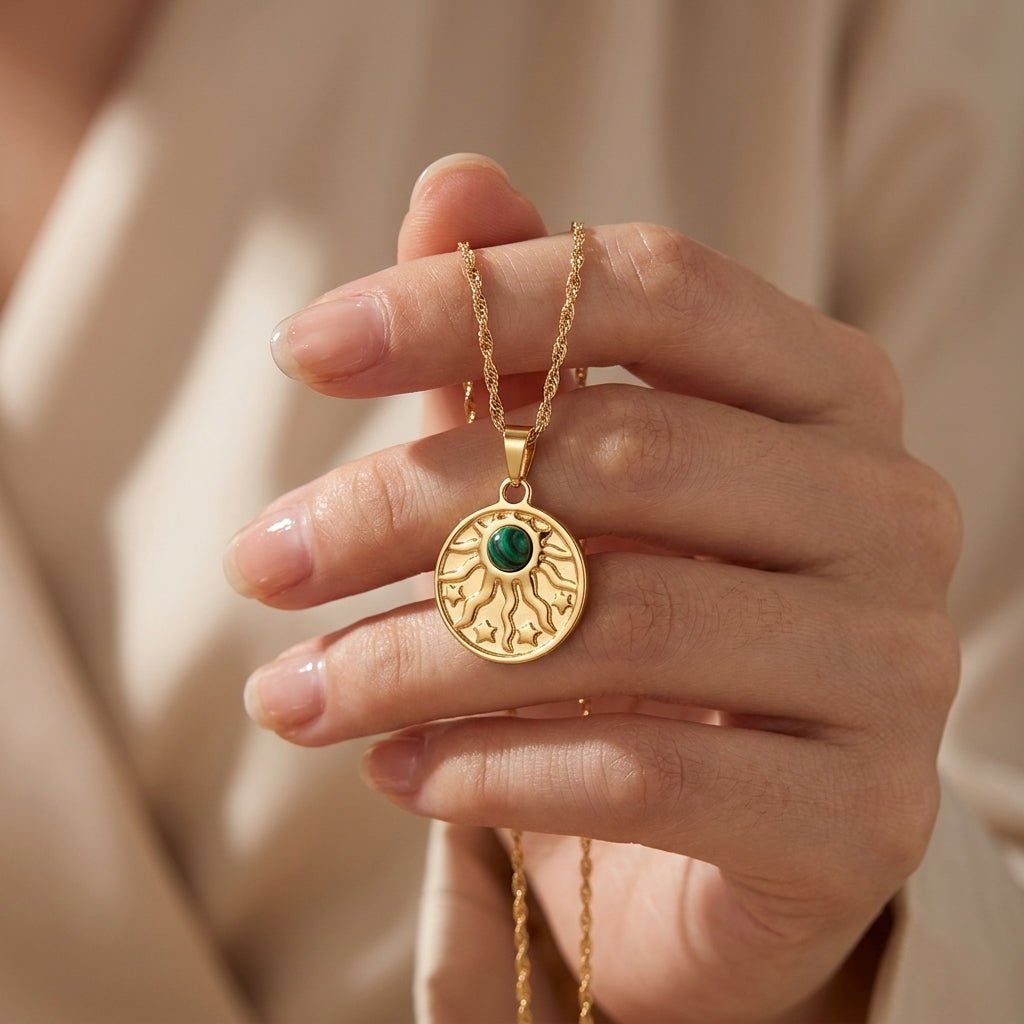

1 comment
Wow, this is the best article about “What does a turtle symbolize?” on the internet. It’s so well written and incredibly educational, thant I even ordered their turtle necklace. Can’t wait for it to arrive! 🥰
Ellie J
Leave a comment
This site is protected by hCaptcha and the hCaptcha Privacy Policy and Terms of Service apply.