
Does Waterproof Jewelry Tarnish? | MOREA
Good waterproof jewelry is specifically designed to resist the moisture and everyday conditions that cause problems for conventional fashion jewelry. However, whether a piece tarnishes depends on what it's made from, how its surface has been finished and the conditions it encounters over time.
This is why two gold-coloured necklaces can look almost identical when they're new but behave very differently after months of wear. One may use a delicate coating over a base metal that reacts readily with moisture, while another may use corrosion-resistant stainless steel combined with a durable PVD finish.
MOREA waterproof jewelry is designed around water, sweat and everyday wear. Relevant gold-tone pieces combine high-grade stainless steel with an 18K gold PVD coating, allowing you to wear your jewelry through normal daily life without treating every encounter with moisture as an emergency.
What does tarnishing actually mean?
Tarnishing is a change that occurs on the surface of certain metals when they react with substances in their surrounding environment. Moisture, oxygen, chemicals, sweat and other compounds can all contribute depending on the particular metal involved.
The important thing to understand is that tarnishing isn't simply another word for jewelry becoming dirty. Product residue can make jewelry look dull even when the material underneath hasn't tarnished, while physical scratching is another separate type of wear.
This distinction matters when comparing jewelry. If a necklace looks less shiny because it has accumulated sunscreen, skincare or soap, gentle cleaning may restore its appearance. That is very different from a chemical change occurring in the metal itself.
Why does some jewelry tarnish quickly?
The materials are one of the biggest factors. Different metals react differently to moisture, oxygen, sweat and other substances, while the surface finish can determine how much exposure the underlying material receives.
This is why price and appearance alone don't tell you how jewelry will perform. Two pieces can both be described as gold-coloured while using completely different base metals and coating processes underneath the surface.
If durability matters, look beyond the colour. Find out what the base metal is, what type of coating has been used and whether the finished piece has actually been designed around water and everyday wear.
Is waterproof jewelry tarnish resistant?
Waterproof jewelry should be constructed using materials and finishes selected specifically to perform around water and moisture. That's one of the main differences between jewelry designed to be waterproof and conventional fashion jewelry that may come with instructions to avoid water.
However, the word "waterproof" shouldn't be treated as a substitute for material information. A responsible brand should still tell you what its jewelry is made from and provide appropriate information about its finish and care.
MOREA uses high-grade stainless steel across its waterproof jewelry, with an 18K gold PVD coating on relevant gold-tone pieces. This combination is selected around the kind of repeated exposure jewelry experiences during normal everyday life.
Explore MOREA Waterproof Jewelry →
Why is stainless steel used in tarnish-resistant jewelry?
Stainless steel is an excellent foundation for everyday jewelry because of its strength and resistance to corrosion. Unlike materials that require particularly careful protection from moisture, stainless steel is well suited to pieces designed around regular exposure to water and sweat.
That makes it especially practical for jewelry you want to wear frequently. Necklaces can encounter perspiration, perfume and shower water, rings are exposed every time you wash your hands, and bracelets can experience moisture throughout the day.
The base metal isn't the only factor determining the performance of a finished piece, but starting with corrosion-resistant stainless steel provides a strong foundation for waterproof jewelry.
Does PVD gold jewelry tarnish?
PVD stands for Physical Vapor Deposition and describes a process used to create a thin coating over another material. For gold-tone jewelry, PVD can be used to create the decorative gold-coloured surface over a base such as stainless steel.
The combination matters. A durable surface finish applied over a corrosion-resistant base material creates a very different product from delicate conventional plating over a more reactive metal.
MOREA uses an 18K gold PVD coating across relevant gold-tone stainless-steel pieces. The aim is to create the appearance people want from gold jewelry while providing the practicality required for water, sweat and regular everyday wear.
For a deeper explanation of the process, read our guide to how waterproof jewelry is made.
Does waterproof jewelry turn green?
Green marks associated with some jewelry usually result from reactions involving particular metals and substances on the skin. Copper-containing materials, for example, can form compounds that leave a green colour on the skin under certain conditions.
This doesn't mean that every piece of jewelry that encounters water or sweat will turn your skin green. Once again, the base material matters enormously.
If avoiding green marks is important to you, check what the jewelry is actually made from rather than relying solely on its gold or silver appearance. A piece's colour tells you surprisingly little about the metal underneath.
Does sweat tarnish jewelry?
Sweat can be challenging for jewelry that hasn't been designed around regular moisture exposure. Jewelry sits directly against the skin, sometimes for many hours, so perspiration is a normal part of everyday wear rather than an unusual event.
This becomes even more relevant during workouts, summer weather and holidays. Sweat may also be combined with skincare, perfume, sunscreen and heat, creating conditions that delicate fashion jewelry may struggle with.
Waterproof jewelry is designed around the reality that people sweat. MOREA pieces are made for an active everyday lifestyle, allowing you to wear your favorite jewelry without automatically having to remove it every time you exercise or the weather gets warmer.
Does water cause jewelry to tarnish?
Water alone isn't the whole story. The way jewelry responds depends on the metal, coating and substances present in the water or on the jewelry's surface.
Fresh water, chlorinated pool water and seawater aren't identical environments. Showering can introduce soap, shampoo and skincare products, swimming pools contain chlorine, while seawater introduces salt and minerals.
This is why choosing materials designed around water exposure is more useful than trying to memorise a list of situations where jewelry needs to be removed.
If you're planning to wear your pieces in the pool or sea, read our guide to swimming with waterproof jewelry.
Can perfume and skincare tarnish jewelry?
Perfume, moisturiser, sunscreen, makeup and other personal-care products can come into contact with jewelry throughout the day. Their effect depends on both the product and the materials used in the jewelry, but they can also create something much simpler: surface build-up.
A layer of skincare, sunscreen or body oils can make a shiny surface appear dull even when the finish underneath hasn't fundamentally changed. Gentle cleaning can help remove this residue and restore the appearance of the piece.
It's still sensible to avoid unnecessarily soaking jewelry in concentrated cosmetics or harsh chemicals. Waterproof jewelry is designed around real-life exposure, but waterproof doesn't mean every material is completely unaffected by every chemical.
Does chlorine tarnish jewelry?
Chlorinated swimming-pool water creates a different environment from ordinary fresh water. Chlorine can affect certain metals and finishes, particularly when jewelry hasn't been designed for repeated pool exposure.
For waterproof jewelry intended for swimming, the materials and complete construction should be selected with these conditions in mind. That doesn't mean basic care becomes pointless; rinsing jewelry with fresh water after significant pool exposure is an easy way to remove chlorine and other residue from the surface.
The same principle applies after swimming in the sea. A quick rinse helps remove salt, minerals and sunscreen without requiring a complicated cleaning routine.
How do you stop jewelry from tarnishing?
The easiest strategy starts before you buy it. Choosing jewelry made from appropriate materials is much more effective than buying delicate jewelry and then trying to protect it from every encounter with water, sweat and everyday life.
Look for clear information about the base metal, coating process and intended use of the finished piece. If a brand tells you its jewelry must be kept away from water, that is important information. If you're looking for something you can wear every day, choose jewelry specifically designed around that lifestyle.
Simple care still helps. Remove heavy product build-up when necessary, rinse after significant salt-water or chlorine exposure, avoid harsh household chemicals and prevent unnecessary scratching against abrasive surfaces.
Can waterproof jewelry fade?
Tarnishing and fading aren't exactly the same thing. Tarnishing involves chemical changes affecting a metal's surface, while fading generally refers to changes in the appearance or colour of a decorative finish.
Any discussion of durability should acknowledge that jewelry experiences physical wear. Rings, for example, can encounter much more rubbing and impact than earrings because they regularly touch desks, bags, gym equipment and other surfaces.
Waterproof therefore doesn't mean scratch-proof or physically indestructible. The advantage is that the jewelry has been designed around water and moisture rather than requiring you to keep it dry throughout normal life.
How long does tarnish-resistant jewelry last?
There isn't one universal lifespan because durability depends on the materials, coating, construction and how the jewelry is worn. A necklace worn against the skin experiences different physical conditions from a ring worn every day while working with your hands.
Rather than looking for an arbitrary number of months or years, look at what the piece is made from and whether the brand stands behind its claims. Transparent material information is much more useful than vague descriptions such as "premium quality" or "luxury finish."
MOREA's eligible waterproof pieces are backed by a Lifetime Color Warranty, subject to the applicable warranty terms.
Are waterproof necklaces tarnish resistant?
Waterproof necklaces are particularly practical because necklaces can remain against your skin throughout the day and encounter sweat, perfume, skincare and water. Choosing materials designed around those conditions means you don't have to constantly remove your necklace as you move through normal daily activities.
MOREA waterproof necklaces are designed around water, sweat and everyday wear, with stainless steel providing the foundation across relevant designs and PVD coating used for applicable gold-tone finishes.
Shop MOREA Waterproof Necklaces →
Are waterproof earrings tarnish resistant?
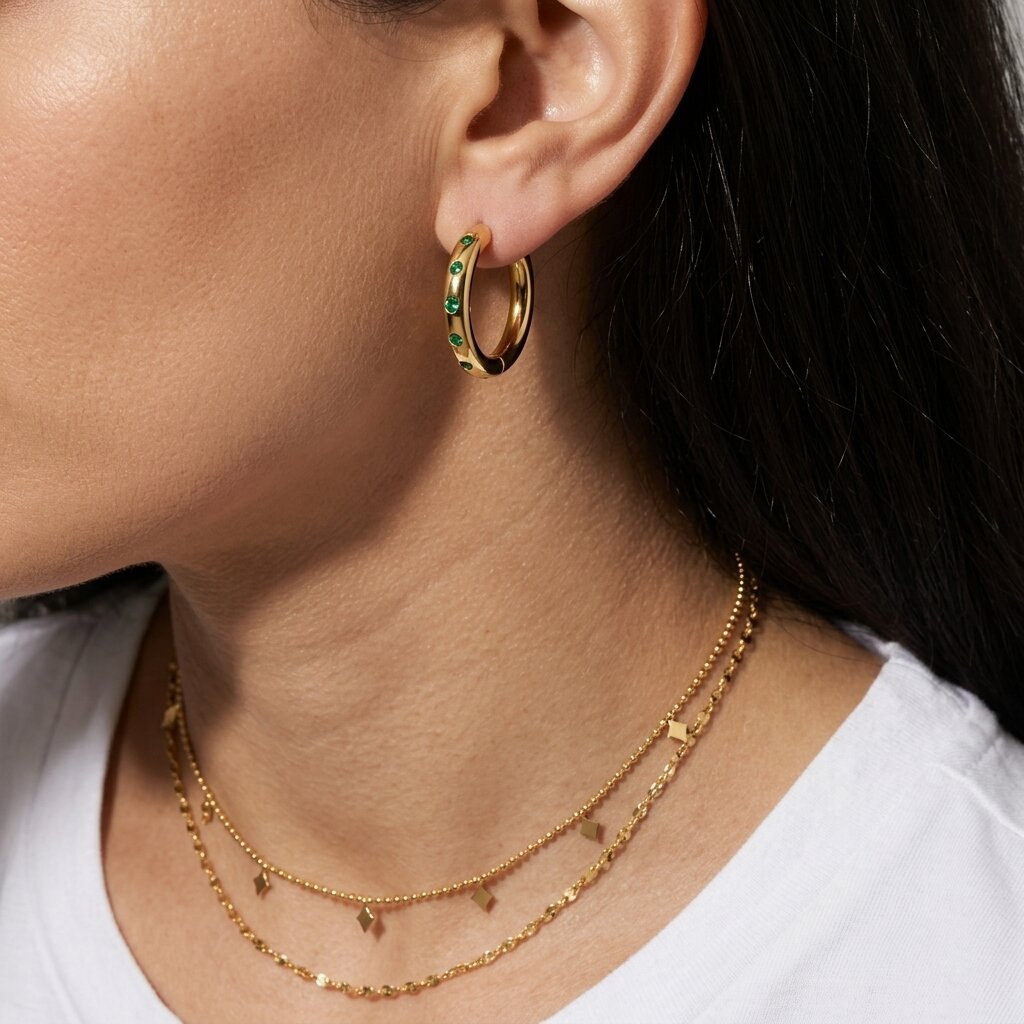
Earrings are another category where durability is particularly useful because studs and small hoops are often pieces people prefer to leave in. Jewelry designed around moisture exposure makes that much easier than earrings that need to be protected whenever you shower, exercise or swim.
Materials still matter, as do closures and other components, so check the information for the individual design when choosing a piece.
Shop MOREA Waterproof Earrings →
Are waterproof rings tarnish resistant?
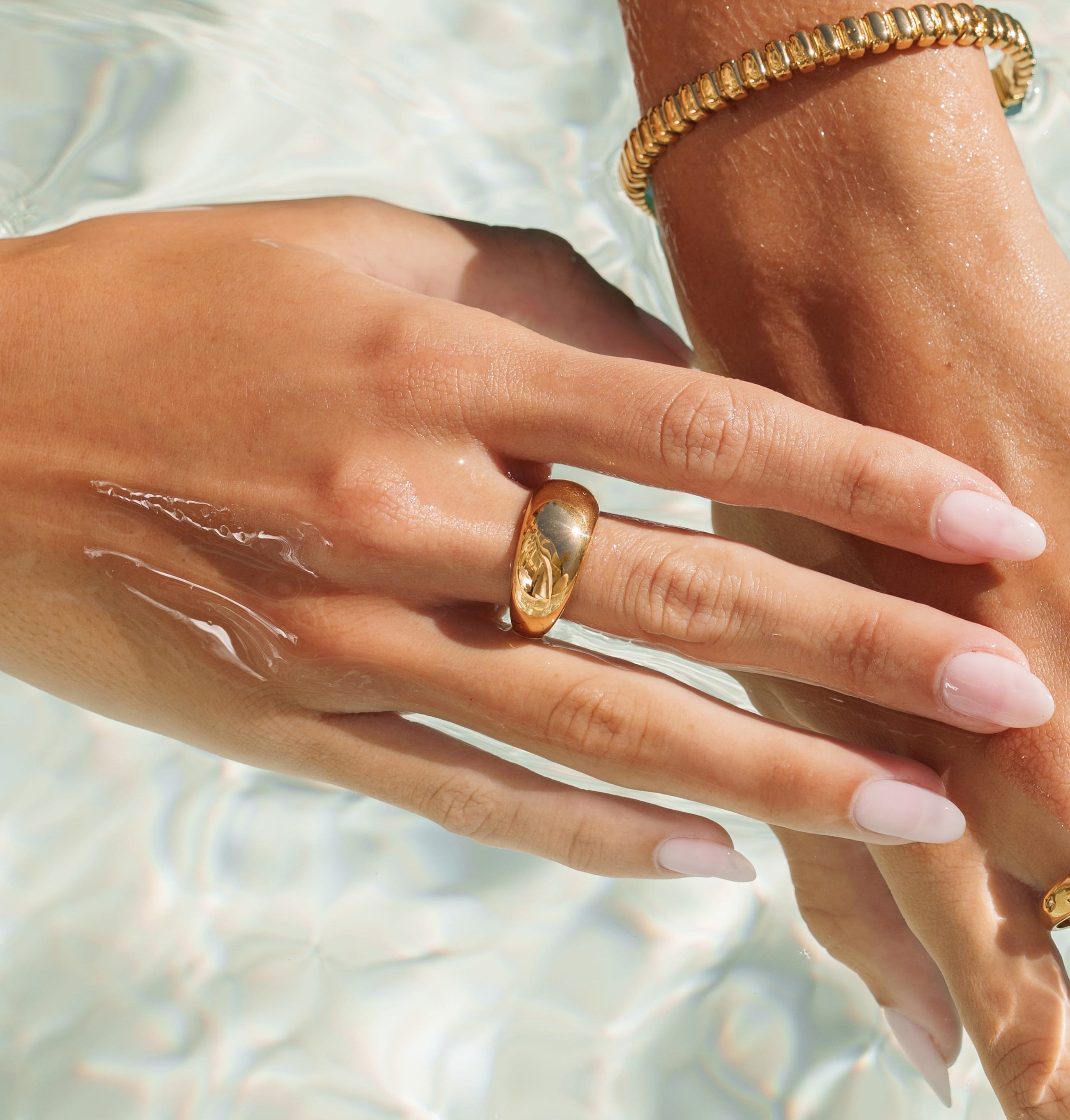
Rings experience some of the toughest everyday conditions of any jewelry category. They encounter hand washing, skincare, sweat, physical contact and repeated rubbing against other surfaces, sometimes dozens of times during a single day.
Using corrosion-resistant materials makes a significant difference when creating rings intended for everyday wear. Physical scratches and abrasion can still occur, but you shouldn't have to panic simply because your ring encounters ordinary water.
Are waterproof bracelets tarnish resistant?
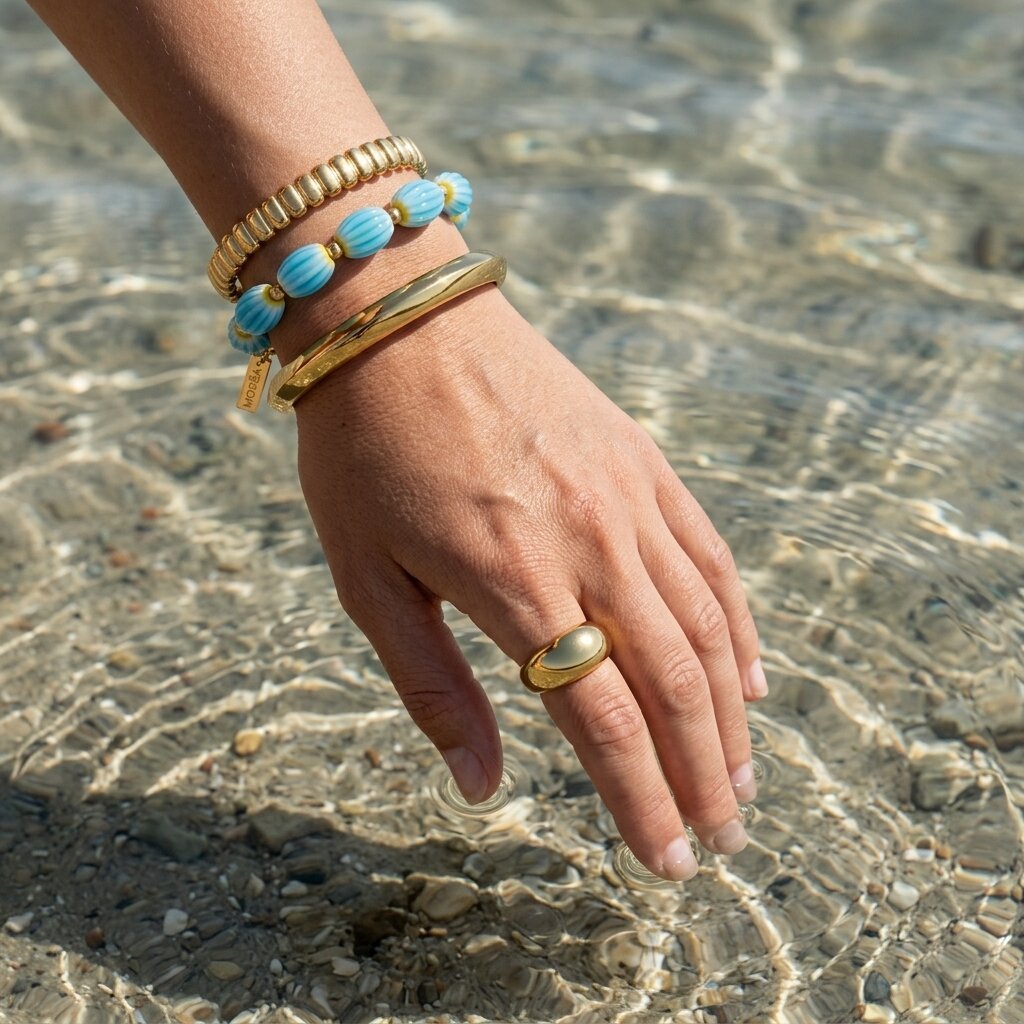
Bracelets can encounter water during hand washing, showers, workouts and everyday activities while also experiencing regular contact with clothing, desks and other surfaces. This makes both water resistance and physical durability important considerations.
Choosing bracelets specifically designed around everyday exposure reduces the need to constantly unclasp and remove them as you move through your day.
Shop MOREA Waterproof Bracelets →
Why MOREA focuses on waterproof, tarnish-resistant jewelry
MOREA was created around the idea that jewelry should fit into everyday life. If you need to remember to remove a necklace before every shower, workout, swim or hot day, you're spending too much time protecting the jewelry instead of enjoying it.
Our waterproof pieces use materials selected around water, sweat and regular wear. Relevant gold-tone designs combine high-grade stainless steel with an 18K gold PVD coating, creating jewelry intended for people who want to wear their favorite pieces rather than constantly take them off.
The goal isn't to pretend jewelry is physically indestructible. It's to remove one of the biggest frustrations associated with conventional fashion jewelry: worrying about ordinary contact with water and moisture.
Explore MOREA Waterproof Jewelry →
Frequently asked questions about waterproof jewelry and tarnishing
Does waterproof jewelry tarnish in water?
Waterproof jewelry is specifically designed around regular water exposure, but performance depends on the materials and construction of the individual piece. Look for corrosion-resistant base materials and clear information about the surface finish rather than relying solely on the word "waterproof."
Does stainless steel jewelry tarnish?
Stainless steel is valued for its corrosion resistance, which is one reason it's widely used for everyday and waterproof jewelry. The finish and other components of the completed piece should still be considered.
Does PVD gold jewelry fade?
PVD is used to create durable surface coatings, but no decorative surface should be treated as physically indestructible. Abrasion, scratching, construction and wear conditions all influence how a finished piece performs over time.
Why does cheap jewelry turn green?
Green marks are often associated with reactions involving metals such as copper. Moisture, sweat and substances on the skin can contribute to those reactions. Checking the actual base material is therefore more useful than judging jewelry solely by its colour.
Can I wear tarnish-resistant jewelry every day?
Jewelry specifically designed around water, sweat and everyday wear is intended to make frequent wear more practical. Normal care is still worthwhile, particularly removing product build-up and avoiding unnecessary physical abrasion.
Does MOREA jewelry tarnish?
MOREA waterproof jewelry is designed around resisting the problems associated with water, sweat and everyday wear. Relevant gold-tone pieces use high-grade stainless steel with an 18K gold PVD coating, and eligible pieces are backed by MOREA's Lifetime Color Warranty according to its terms.
Final answer: does waterproof jewelry tarnish?
Good waterproof jewelry is designed to resist the conditions that commonly cause problems for conventional fashion jewelry, including water, sweat and everyday moisture. How well a particular piece performs depends on its base metal, surface finish, complete construction and the physical wear it experiences.
That's why the materials matter. MOREA uses high-grade stainless steel across its waterproof jewelry, with an 18K gold PVD coating on relevant gold-tone pieces, creating jewelry designed around showers, workouts, swimming, holidays and everyday life.
Instead of buying delicate jewelry and spending your day trying to keep it away from water, choose pieces designed for the life you're actually going to live.

Leave a comment
This site is protected by hCaptcha and the hCaptcha Privacy Policy and Terms of Service apply.